
When students were first asked what they knew about the life cycles of living organisms, they shared a variety of thoughtful ideas and prior knowledge.
Although each child could initially identify at least one stage or concept related to life cycles, students became increasingly familiar with the complete processes and vocabulary throughout the course. Their discussions showed curiosity, critical thinking, and a growing understanding of how living things change over time.
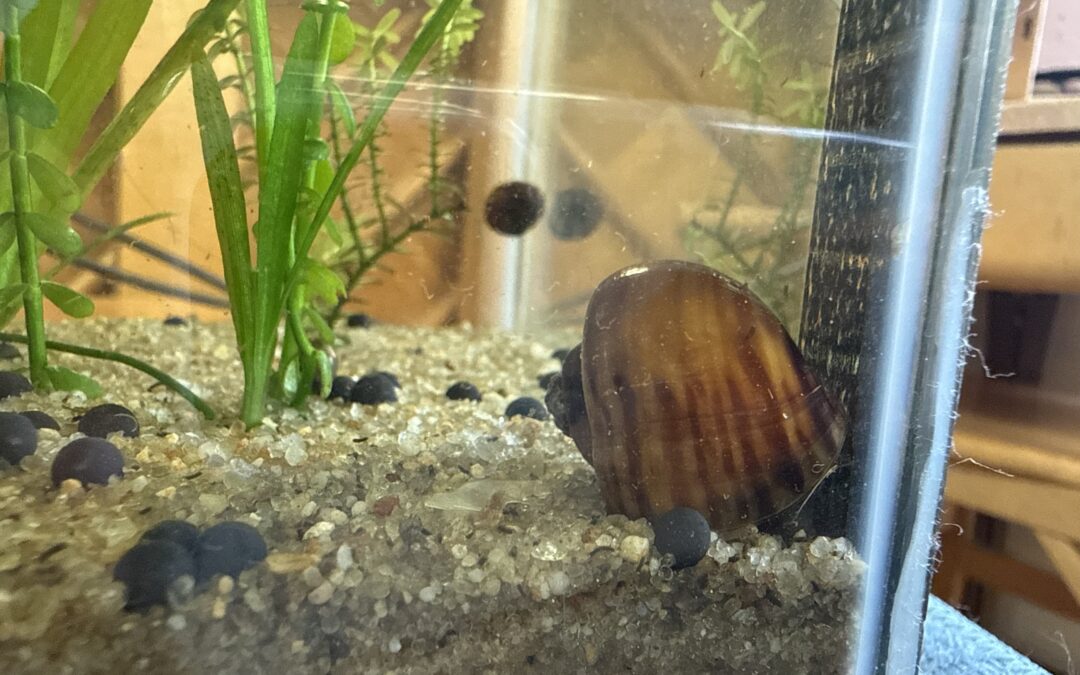
In our Life Cycles class, students explored how living things grow and change over time by observing different organisms and plants throughout their development. We followed the life cycles of aquatic mystery snails, maize corn, and superworms while discussing the unique needs of living things during each stage of growth.
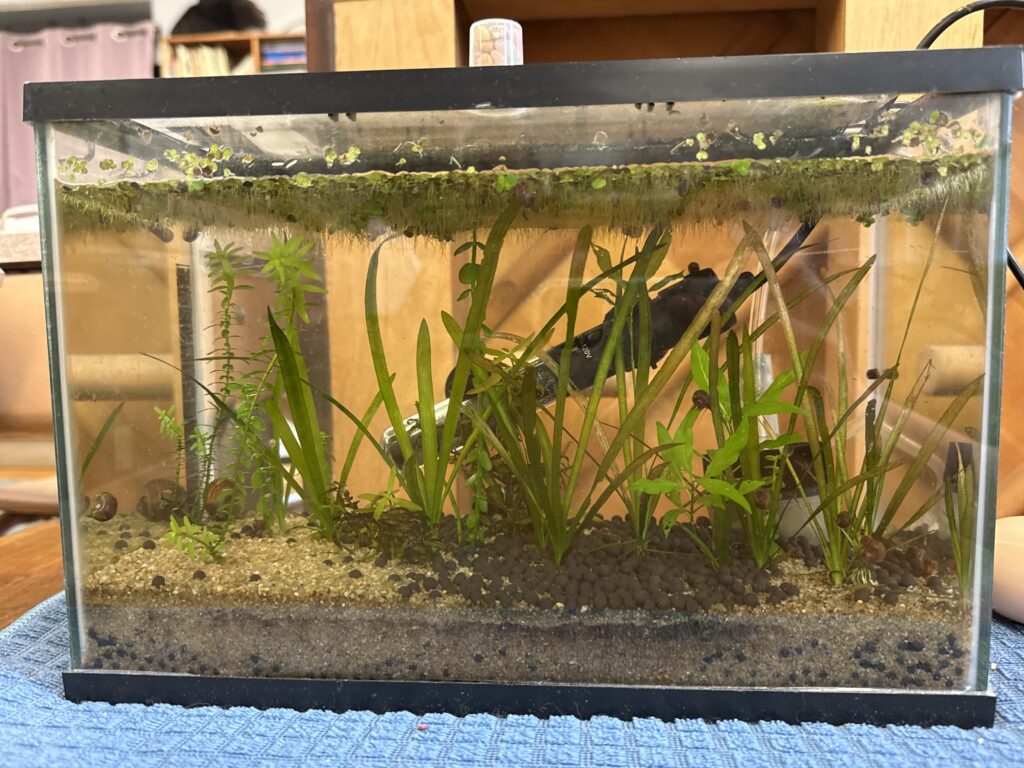
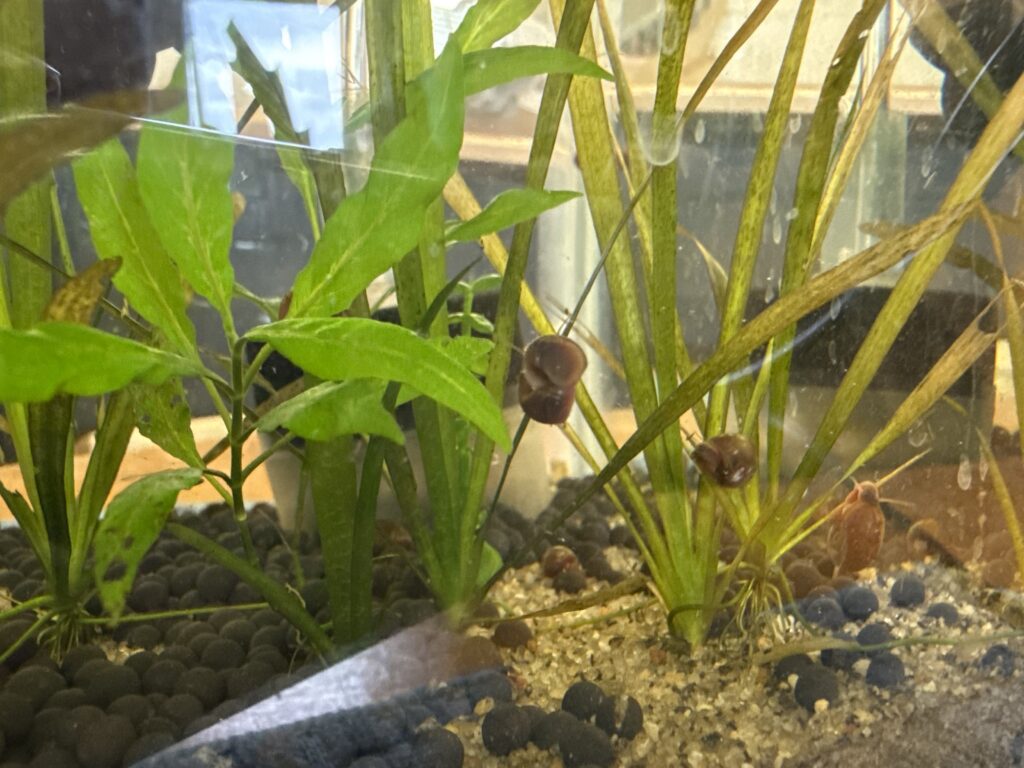
Students were excited to observe aquatic mystery snail egg cases hatch and watched the tiny snails gradually grow and develop. We also explored plant life cycles by observing maize corn seeds begin to sprout and root directly from the cob. These hands-on experiences helped students better understand germination, growth, and development in living organisms.
Our work with superworms provided an important lesson in scientific observation and experimentation. Students learned that certain environmental conditions are necessary for superworms to successfully metamorphose into beetles, and we discussed how our classroom environment was not fully meeting those needs. Rather than seeing this as a failure, students learned that unexpected results are an important part of science and can teach us valuable information about living things and their habitats.
Throughout the class, students discussed the stages of life cycles and compared how the needs, behaviors, and development of organisms change over time. The class encouraged curiosity, observation skills, critical thinking, and an understanding that science often involves learning through both success and challenge.